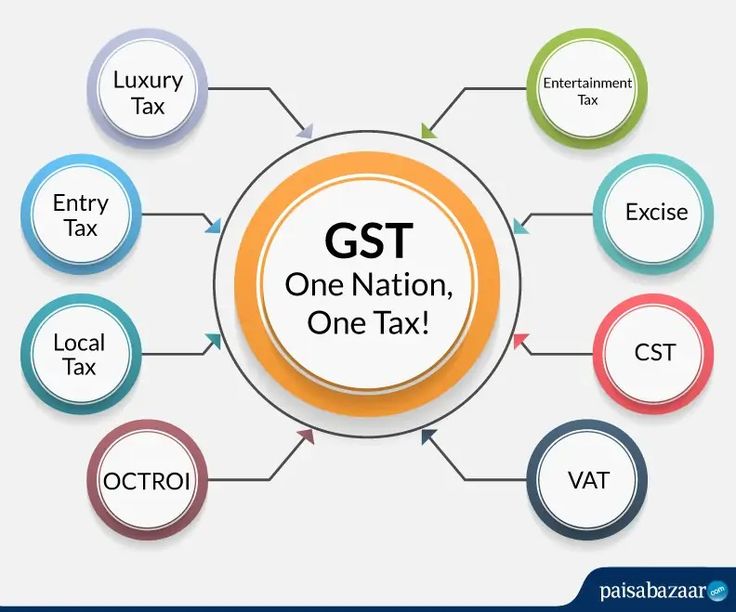
GST Reforms 2025: A Practitioner’s Perspective
As a GST-law practitioner and advocate actively engaged in advising taxpayers, litigating disputes and staying attuned to policy shifts, the sweeping changes rolled out in 2025 mark a watershed moment in India’s indirect taxation regime. The “GST 2.0” reforms, effective September 22, 2025, alongside earlier procedural changes from April 1, 2025, present both opportunity and risk to clients — and demand a recalibration of advisory strategies, compliance systems, and litigation postures.
Major Policy Shifts: Rate Rationalisation & Structural Simplification
At the heart of the reform lies a dramatic rationalisation of GST rates. Rationalisation helps for smoother duty structures and faster processing of refunds.The GST Council has effectively eliminated the 12 % and 28 % slabs, consolidating most goods and services into two principal slabs of 5 % and 18 %, with a special 40 % rate reserved for “sin and luxury” goods (tobacco, high-end vehicles, aerated drinks, etc.). Essential items, including Indian breads (roti, paratha), personal care products, and certain everyday appliances, have migrated downward to 5 %. The reform seeks to resolve classification anomalies (for instance, disputes whether a “roti” is taxed like “bread”) and correct inverted duty structures that plagued many sectors
From a practitioner’s lens, this means re-mapping entire product/service portfolios, revisiting historical classification opinions, and advising midstream clients on transitional risk. Any residual ambiguity in categorisation will invite demands or litigation, especially from audit or assessment authorities seeking to test the client’s classification.
Procedural & Compliance Changes: April 2025 Onward
Long before the rate reform took effect, significant procedural updates from April 1, 2025, required readiness. Key changes include:
- Mandatory ISD registration for taxpayers having multiple GST registrations under one PAN. The cross-charge mechanism is deprecated, and taxpayers must distribute common input services via ISD invoices and file GSTR-6
- E-way bill restrictions: Generation is limited to documents having date not older than 180 days; extension is capped at 360 days from original generation date.
- E-invoice reporting time limit expansion: The mandatory 30-day reporting window is now applicable to taxpayers with AATO beyond ₹10 crore (earlier high thresholds). This change significantly expands the number of businesses required to adhere to the strict 30-day reporting window. Companies that now fall under the ₹10 crore threshold must adjust their invoicing processes to avoid rejections and potential penalties.
- Multi-Factor Authentication (MFA) across the GST portal is mandated for all taxpayers (irrespective of turnover) to access e-invoice / e-way systems. The GST system is vital for business to manage taxes and ensure compliances. MFA adds extra layer of protection
- Amendments to GSTR-7 (TDS) and GSTR-8 (TCS) formats to capture invoice / document-wise details, GSTIN of deductee, etc. The significant revisions to the format of GSTR 7 and GSTR 8 to enhance transparency improve compliance accuracy and enable better data validation by tax authorities.
- Rules Amendment under CGST: The Central Goods and Services Tax (Second Amendment) Rules, 2025, introduce an explanation in Rule 164 regarding refunds and demands, notably restricting refund on taxes, interest, penalty paid before certain demand notices.
- These changes force a thorough audit of existing compliance systems, software, ERP flows, and internal control frameworks. The need to retool IT systems, train personnel, and preempt “data mismatch” or submission errors is acute.
Challenges, Risks & Litigation Posture
From my experience, several challenge avenues will open up:
- Classification disputes: Despite rationalisation, borderline items (e.g., skincare, nutraceuticals, multi-component goods) will invite scrutiny. As an advocate, I foresee litigations centering around parent tariffs, fallback positions, and precedence from past judgments.
- Transitional clarity and time of supply: The “time of supply” rules (Section 14) will govern whether old rate or new rate applies depending on supply/invoice/payment timing. Nonetheless, in practice, disputes will emerge where advance payments, supply spanning the changeover date, or receivables etc. are involved.
- Refund and demand resistance: The new Rule 164 insertion curtails refund in certain overlapping demand situations for past periods. Plaintiffs will have to consider whether to withdraw appeals partially or adjust strategy as per the rule. As counsel, I must advise on appeal strategy in light of this procedural bar.
- Anti-profiteering enforcement revival: With rate cuts on many essential goods, anti-profiteering authorities may aggressively monitor whether trade players duly pass the benefit to consumers. Adequate pricing documentation will become indispensable defensively.
- Capacity stress on litigation infrastructure: Appellate tribunals and High Courts will see a surge in classification and refund litigation. Early drafting of compelling grounds, anticipatory data collation, and challenge mapping will prove crucial.
Concluding Thoughts & Practitioner Advice
The 2025 GST changes usher in a more streamlined, less labyrinthine tax regime. For taxpayers, it presents cost relief on many essential items and—if carefully navigated—reduced compliance friction. But for advocates and advisors, it demands a proactive shift: re-assessment of classification portfolios, upgradation of compliance infrastructure, anticipatory defense in new regime disputes, and concerted training for practitioners and clients alike.
In my professional practice, I recommend that clients conduct an “early impact assessment” by the end of 2025—systematically mapping each SKU and service line to the revised tax slabs, evaluating whether reclassification risks could trigger retrospective liabilities, and incorporating litigation contingencies into their pricing strategies. By taking this proactive approach, businesses and their advisors can transform GST 2.0 from a mere compliance hurdle into a strategic advantage.









Share This News